
 By Samuel Ennis
Address exhaust system integrity to enhance combustion dynamics. Identifying and rectifying gaps can lead to noticeable increases in horsepower and torque. Regular checks should focus on joints, gaskets, and pipe welds where degradation is likely.
Ensure optimal sealing throughout the system. A small breach can lead to increased intake of unregulated air, disrupting the air-fuel mixture. This can result in poor combustion and elevated emissions, ultimately diminishing vehicle output.
Monitor for unusual sounds, decreased power, or changes in fuel consumption. If you notice any of these signs, a thorough inspection is necessary. Investing in a proactive maintenance regimen can yield significant returns in both performance metrics and fuel preservation.
Identifying Signs of Exhaust Leaks in Your Vehicle
Pay attention to unusual noises, such as hissing or sputtering sounds, which could indicate compromised seals within the system. A noticeable increase in volume from the muffler area might also signal issues. Inspect for any visible cracks or holes in the piping, as these imperfections lead to diminished flow.
Monitor the dashboard for warning lights related to emissions or engine performance. Poor fuel consumption and reduced power during acceleration often suggest that your vehicle is not operating at peak capacity.
Examine the area around the connections and joints for any signs of soot accumulation. This residue often points to leaks, as escaping gases leave marks on the exterior surfaces. A pungent smell of fuel or exhaust within the cabin can also indicate that harmful gases are entering the vehicle, posing risks to health and safety.
Conduct a visual check of gaskets and mounts; if they appear worn or damaged, they may require replacement to restore proper functionality. Use a handheld smoke machine to detect leaks more accurately if needed, as this method effectively reveals compromised areas.
Regular inspection and timely maintenance of the system ensure optimal operation and longevity of your vehicle.
How Exhaust Leaks Affect Fuel Consumption and Power Output
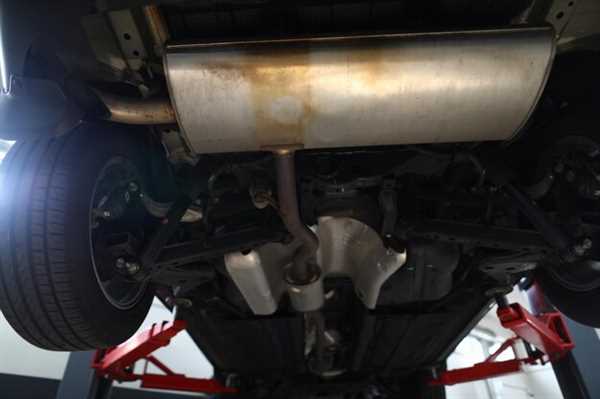
Address potential gaps in the system to enhance fuel efficiency and maximize energy generation. Small fissures can disrupt the flow of gases, leading to an increase in fuel usage.
Here are key ways that gaps can influence consumption and output:
- Increased fuel use: Compromised pathways can lead to uneven combustion, requiring more fuel to achieve the desired velocity.
- Power depletion: A drop in backpressure affects the ability of the system to expel gases, resulting in a notable reduction of thrust.
- Noisy operation: Unwanted sounds indicate disturbances in gas flow, often signifying areas where efficiency may be compromised.
Consider the following strategies for improvement:
- Regular inspections: Conduct frequent examinations to locate and rectify imperfections before they escalate.
- Prompt repairs: Fix identified issues to restore ideal function and mitigate unnecessary fuel usage.
- System upgrades: Invest in quality components that reduce the likelihood of future problems and improve overall functionality.
By addressing each point diligently, it is possible to achieve significant reductions in fuel consumption while enhancing the overall output generated by the machinery.
Methods for Repairing Exhaust Leaks and Restoring Performance
Start by conducting a thorough inspection using a flashlight and listening for hissing sounds while the vehicle is running. Areas around connections, gaskets, and pipes often harbor damage. Utilize a smoke machine for detecting less obvious gaps; the smoke visibly escapes through any openings.
For minor fissures, applying a high-temperature silicone sealant can provide a temporary fix. Thoroughly clean the area before application to ensure proper adhesion. Once cured, monitor the area for reoccurrences.
In cases of more significant deterioration, replacing gaskets or pipe sections becomes necessary. Choosing quality replacement parts will ensure longevity and optimize functionality. Ensure the surfaces are clean and free from debris during installation.
Welding is an option for metal components facing structural issues. Always prioritize safety and utilize proper equipment. Ensure a skilled welder performs the task to maintain integrity and functionality.
Consider utilizing heat shields in areas prone to damage from excessive heat. These can prevent rapid degradation and extend the lifespan of the materials around your system.
After repairs, conduct a test drive to determine if the repairs improved operation. Monitor fuel consumption and listen for any unusual noises, indicating further issues. Regular maintenance checks will help catch potential problems early.