
 By Samuel Ennis
Begin with a thorough inspection of the hinges and latch points. If such elements show signs of bending or damage, replacing them is paramount. Securely fasten the screws that hold the hinges in place, particularly if they have become loose during the incident. This foundational adjustment ensures that the frame and the panel meet accurately, allowing for smooth operation.
Next, assess the gap between the frame and the panel for inconsistencies. A common sign of misplacement is uneven spacing. If required, utilize shims around the hinges to create an optimal fit or adjust the strike plate locations accordingly. This meticulous approach addresses any structural abnormalities that may have arisen.
Finally, test the mechanism repeatedly to confirm that the adjustments yield a fully functional entry point. Ensure that the locking system engages seamlessly and that the fixture maintains its position under regular use. This systematic evaluation contributes to restoring both safety and convenience to the space.
Identifying Common Causes of Door Misalignment
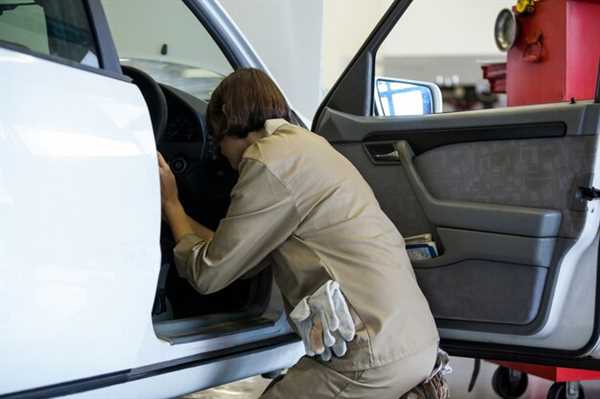
Check hinges for wear or damage. Loose screws can affect the stability of the frame, causing gaps or uneven closure.
Inspect the striker plate for misplacement. A poorly positioned strike may lead to improper latching, impeding smooth operation.
Analyze the frame condition. Warping due to humidity or temperature changes can create discrepancies between the door and its surrounding structure.
Examine the door for physical dents or bends. Even minor collisions can shift the shape, leading to operational difficulties.
Assess the flooring beneath the door. Uneven surfaces or shifting foundations may cause the door to drag or remain ajar.
Consider the quality of the door materials. Low-grade components can warp over time, especially with frequent use.
Review installation practices. Improper fitting during initial setup can result in persistent operational flaws.
Evaluate any obstructions nearby. Furniture or other items too close can interfere with the door’s motion, making it appear misaligned.
Step-by-Step Guide to Realigning Misaligned Doors
Begin by examining the hinges for any signs of damage or wear. If they are loose, tighten the screws with a screwdriver. This minor adjustment can immediately improve fitment.
Next, inspect the frame for any obstructions. Ensure that there are no objects or debris preventing the door from closing properly. Clear away any hindrances to allow a better fit.
If the gap between the door and the frame appears uneven, remove the door by unscrewing the hinges. Once removed, check if the door itself is warped. If so, consider using heat or moisture to reshape it slightly before reinstallation.
Reattach the door, ensuring the top hinge is securely fastened first. Use a level to check the vertical alignment. Adjust the lower hinge by loosening the screws slightly, shifting the door, and retightening.
If there’s still misalignment, consider shimming the hinges. Insert thin pieces of cardboard or shim material behind the hinge plates to adjust the door’s position and create an even clearance.
Finally, check the operation of the latch and strike plate. Adjust the position of the strike plate if the latch does not engage smoothly, ensuring it locks securely when closed.
When to Seek Professional Help for Door Alignment Problems
If the gap between the frame and the panel is uneven, consider contacting an expert. In cases where the fitted structure does not close properly or has difficulty latching, professional assistance may be warranted. If there’s visible warping or if the installation appears compromised following an incident, addressing it through a specialist is advisable.
Signs such as grinding noises upon use or persistent drafts suggest that the mechanism may be misaligned. If adjustments yield no improvement after multiple attempts, seek a technician with experience in repairs related to impact damages.
Persistent maintenance issues, such as constant slamming or signs of wear on the hinges, may indicate deeper complications. When there’s a noticeable shift in the panel’s position, it’s better to allow a qualified individual to evaluate and correct the fault to avoid further deterioration.
Finally, if any structural elements like the frame are affected, the likelihood of needing a professional’s intervention increases significantly. Avoid taking risks that could lead to additional damage or safety hazards.