
 By Samuel Ennis
Regular inspections can prevent excessive degradation on tire surfaces, extending their lifespan. Ensure proper pressure is maintained; under-inflation leads to increased friction, while over-inflation results in uneven contact with the road. Both situations accelerate wear patterns significantly.
Misalignment is another key contributor to abnormal surface deterioration. This occurs when the angles of the wheels are not set correctly, causing tires to either drag or push unevenly while driving. A routine alignment check will address this issue and can enhance tire longevity.
Additionally, worn-out suspension components can exacerbate the wear process. Shocks and struts that fail to absorb road bumps efficiently allow for increased vibration and instability, which can negatively impact the tire’s condition over time. Regular maintenance of the vehicle’s suspension reduces the risk of uneven degradation.
Regular rotation of tires promotes balanced wear and maximizes their usability. Different positions on a vehicle experience varying loads and driving conditions, so repositioning tires every few thousand miles can help ensure more uniform surface characteristics.
Identifying the Common Causes of Uneven Tire Wear

Regular alignment checks are crucial; improper alignment leads to rapid degradation. Tire inflation must be monitored, as both under-inflation and over-inflation cause distinct patterns of deterioration. Rotating tires at recommended intervals ensures balanced usage across all wheels, minimizing localized damage.
Driving habits also play a significant role; aggressive acceleration and braking accelerate deterioration. Curving roads induce excessive wear on the outer edges, while straight-line driving can wear down the center. Load distribution affects how weight is shared among tires, so uneven loading may cause one side to wear faster than the other.
Additionally, suspension issues can lead to an uneven ride height, causing abnormal contact pressure on tires. Inspecting and maintaining suspension systems can prevent such problems. Road conditions, including potholes and debris, contribute to unpredictable wear patterns, making regular maintenance essential for prolonged tire lifespan.
Practical Solutions to Prevent Uneven Tire Wear
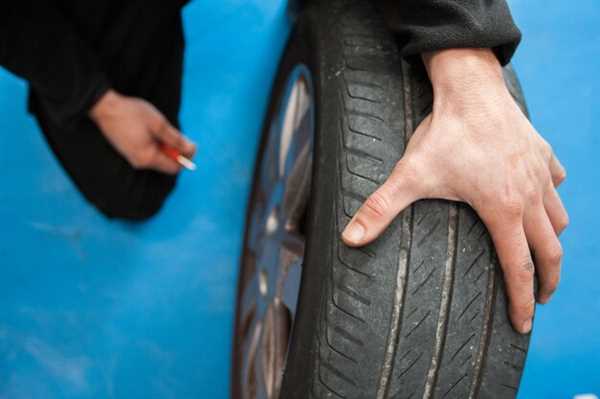
Regular rotation intervals help distribute load evenly across all wheels. Aim for every 5,000 to 7,500 miles, following the manufacturer’s guidance.
Maintain proper tire pressure to prevent distortion. Check monthly, adjusting to the recommended PSI displayed on the driver’s side door jamb.
Alignment checks should occur annually or whenever suspension work is done. Misalignment leads to rapid degradation on specific areas.
Inspect shocks and struts frequently, as worn components may cause instability, accelerating surface damage on your tires. Replace them if any leaking or excessive bouncing is noted.
Select high-quality tires that suit your vehicle’s design. Premium options may resist degradation better under stress.
Monitor tread depth regularly. Replace tires when reaching the wear indicators to ensure consistent performance and grip.
Drive cautiously, avoiding sudden starts, aggressive braking, and sharp turns. This habit can significantly extend your tires’ lifespan.
How to Diagnose Uneven Tire Wear Patterns
Inspect the surface of each wheel regularly, looking for irregularities such as balding or bulging areas. These symptoms indicate the presence of inconsistent degradation.
Check tire pressure frequently; incorrect inflation can lead to specific sections wearing out faster than others. Use a reliable gauge to maintain optimal levels as specified by your vehicle’s manual.
Examine alignment settings; misalignment commonly results in one edge deteriorating more swiftly. Have a professional perform a wheel alignment to restore proper angles.
Monitor suspension components; worn or damaged parts can cause uneven contact with the road, leading to atypical degradation patterns. Replace faulty elements to ensure stability.
Evaluate driving habits; aggressive acceleration, braking, and cornering can accelerate deterioration. Adjust driving practices to promote longevity of your tires.
Rotate wheels as recommended, since this movement promotes uniform usage across all tires, mitigating uneven damage over time.
Consider the road conditions often traveled; rough surfaces can exacerbate the rate of degradation on specific wheels. Adjust routes when feasible to minimize impact.