
 By Samuel Ennis
The optimal choice for your vehicle’s rubber can significantly enhance your comfort and safety on the road. All-season options are often recommended for those who experience moderate weather throughout the year. They provide a balanced performance in various conditions, ensuring a smooth ride whether it’s sunny or slightly rainy.
If you frequently drive in snowy or icy environments, winter varieties are indispensable. These models are designed with unique tread patterns and rubber compounds that offer superior grip and handling in harsher climates. Prioritizing these can make a substantial difference in traction and control during adverse conditions.
The terrain you regularly navigate also influences the best selection. For urban driving, performance models may be beneficial, emphasizing responsiveness and agility. For off-road adventures, consider all-terrain alternatives that can withstand rugged surfaces while still maintaining on-road functionality. Adjusting your choice to fit your primary routes will enhance overall driving satisfaction.
Regular assessments of your current fittings will ensure safe travel while adapting to changing needs. Keeping an eye on tire wear and performance can help prevent mishaps and enhance the longevity of your vehicles. Prioritize knowledgeable advice and manufacturer recommendations to make informed decisions that suit both your vehicle and lifestyle.
Understanding Different Tire Designs for Urban Commuting
All-season rubber is the most versatile choice, offering reliability and performance in various climate conditions. This option balances dry grip and wet traction, making it suitable for urban environments where rain and temperature fluctuations are common.
For improved maneuverability and cornering in city streets, consider performance options. These provide enhanced grip and responsiveness, ideal for those seeking a sporty feel during their everyday travels.
If comfort is a priority, touring varieties excel in reducing road noise and providing a smoother ride on rough surfaces. This feature significantly enhances the experience during daily commutes, especially on uneven pavement.
Winter-specific designs should be your go-to in colder regions. Their unique tread patterns guarantee superior traction on icy or snowy roads, ensuring safety during harsh weather conditions typical of winter months.
Ultimately, understanding your typical route and climate is crucial for making an informed choice. Selecting options tailored to your daily conditions will significantly impact your overall satisfaction and safety while on the road.
Evaluating Seasonal Performance: All-Season vs. Winter Tires

All-season tires provide a balanced performance, accommodating various conditions from dry roads to light snow. They are suitable for locations with mild climates where extreme weather is rare, making them practical for year-round use. However, their ability to handle icy or heavily snow-covered streets is limited.
Winter tires excel in adverse weather conditions, offering superior traction on snow and ice. Their unique rubber compounds remain pliable at lower temperatures, ensuring a grip that all-season alternatives cannot match. For regions experiencing harsh winter conditions, equipping your vehicle with dedicated winter options is a wise choice.
Consider your personal commute and typical climate. If heavy snow accumulation and frigid temperatures are common, prioritizing winter varieties enhances safety and control. Conversely, all-season versions are more convenient for areas where significant seasonal changes are infrequent.
Assess your mileage patterns too. Frequent long drives during cold months necessitate superior traction, making winter varieties beneficial. Conversely, sporadic travel in milder months may mean all-season tires suffice.
Overall, aligning your choice with specific conditions encountered on the road ensures a safer and more comfortable experience behind the wheel.
Assessing Tire Lifespan and Maintenance for Daily Drivers
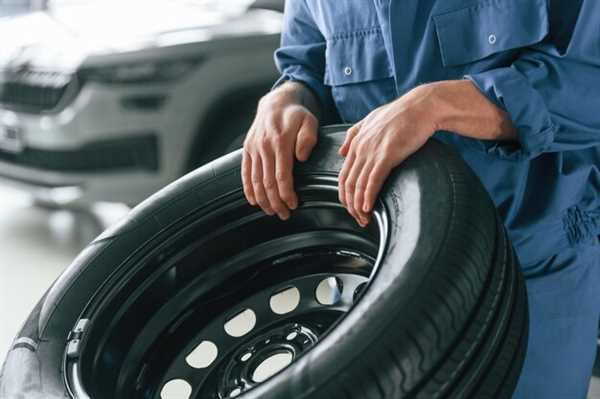
Monitor tread depth regularly; replace tires when it reaches 2/32 of an inch. Use a penny: insert it upside down; if you see all of Lincoln’s head, it’s time for new wheels.
Check pressure monthly and adjust, as proper inflation influences performance and durability. Follow manufacturer recommendations for optimal results.
Rotate rubber every 5,000 to 7,500 miles to ensure even wear. This practice prolongs lifespan and maintains handling characteristics.
Keep an eye on alignment and balance. Misalignment can cause uneven wear and affect vehicle control, leading to unsafe driving conditions.
Inspect regularly for cuts, punctures, and sidewall bulges; immediate attention can prevent further damage and unsafe situations.
Cleaning them keeps debris at bay and promotes proper functionality. A simple wash after off-road driving or exposure to corrosive substances can extend service life.
Consider seasonal conditions; specific rubber compositions suit certain climates, so choose according to your environment for maximum performance.
Lastly, keep track of mileage and history. Document patterns of wear and maintenance to forecast future needs more accurately.