
 By Samuel Ennis
In instances where power flows inconsistently, especially affecting key appliances, a thorough examination of your electrical distribution unit is necessary. Ensure all connections are secure and inspect for worn fuses that may lead to disruptions in service. Regular maintenance not only prolongs the lifespan of the components but also enhances safety.
Identify any signs of overheating or discoloration on the unit, which can indicate potential failures. If tripping occurs frequently, it might signal an overload or a need for upgrading your current setup to meet household demands. Advocating for routine inspections can help preemptively address these complications.
Monitoring voltage levels is equally crucial; fluctuations can damage sensitive devices. Investing in quality surge protectors and maintaining a clear and accessible unit contributes to overall reliability. Stay proactive and informed to minimize risks associated with electrical supply instability.
Identifying Overloaded Circuits in Your Fuse Box
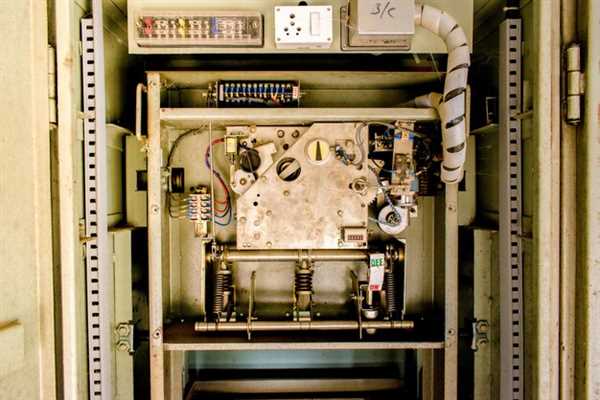
Monitor the power levels of devices connected to specific circuits. If outlets are frequently tripping or fuses are blowing, it indicates overload. Consider the total wattage of connected devices; if the sum exceeds the circuit’s rated capacity, it must be addressed.
Check for any signs of overheating, such as warmth around outlets or discoloration in plugs and sockets. These symptoms often indicate unsafe conditions due to excessive amperage.
Evaluate appliance usage patterns. If certain equipment operates simultaneously on the same circuit, this can lead to greater strain. Distributing appliances across different circuits can alleviate this stress.
Inspect the wiring for frayed or damaged insulation, as this can cause electrical failures. If visible signs appear, it’s critical to contact a professional for evaluation.
A labeled circuit directory inside the panel can simplify identifying overloaded areas. Ensure that all breakers or fuses are clearly marked for easy reference. If an unknown circuit keeps tripping, further investigation may be necessary.
Finally, consider upgrading to circuits with higher amperage if overloads are frequent. Consult with an electrician to determine the best approach for enhancing capacity safely.
Troubleshooting Flickering Lights Due to Fuse Box Problems

Examine circuit connections first. Loose wires can disrupt electrical flow, causing lights to flicker. Ensure all connections are tight and secure.
Check for overloaded circuits. Too many devices on a single circuit can lead to fluctuations. Redistribute the load to maintain consistent power delivery.
Inspect the circuit breakers. A tripped breaker may indicate an underlying problem. Reset any tripped breakers, but consult a technician if they repeatedly trip.
Assess the age and condition of the electrical panel. Old or damaged boards can lead to inconsistent power. Consider replacement if significant wear is evident.
Evaluate light fixtures and bulbs. Sometimes flickering results from faulty bulbs or incompatible fixtures. Replace any damaged bulbs and ensure that fixtures are rated for the installed wattage.
Monitor electrical appliances. High-drawl devices may influence lighting stability. Avoid running multiple heavy-load appliances simultaneously.
Consider professional inspection if troubleshooting does not resolve flickering. An electrician can identify underlying issues safely and effectively.
Understanding the Role of Fuses in Home Appliance Failures
For any electrical equipment, ensuring accurate ratings for protective components is critical. Appliances can fail due to circuit overload, leading to overheating and potential damage. A properly rated component will protect devices from excessive current, reducing the risk of burnout.
Regular inspections of these protective elements can reveal signs of wear or failure, such as visible discoloration or melting. These indicators often suggest the need for replacement. A visual assessment can prevent downstream consequences that affect multiple appliances.
Utilizing the correct amperage rating is paramount. Components that are underrated can lead to frequent trips, while those that are overrated may not provide adequate protection, compromising device safety. Always refer to manufacturer guidelines when selecting replacements.
In some cases, persistent failures in an appliance may indicate a root problem within the wiring or the device itself. Performing continuity tests can help identify short circuits or exposed wiring, addressing deeper issues before they escalate into significant hazards.
Knowledge of how protective devices function provides homeowners with insightful preventive strategies. Proper maintenance, alongside timely replacements, will contribute to the longevity and reliable performance of household appliances.