
 By Samuel Ennis
Address the areas where the coating is compromised immediately. Neglecting small imperfections can lead to more significant issues, including rust or further damage to the underlying surface. Take inventory of noticeable marks, especially those that penetrate the base layer, as they pose a risk of deterioration.
For minor blemishes, use a touch-up kit specific to your vehicle’s hue. Locate the exact color code, often found on a label in the engine bay or inside the driver’s door frame. This step ensures an adequate match, minimizing visibility after repairs.
Evaluate the surroundings of each flaw. If any surrounding material is also affected, proceed with extra caution. Sand down any rough edges gently and clean the area thoroughly before applying the new coating to ensure proper adhesion and longevity of the repair.
Regular inspections are key. Incorporate a routine check every few months, focusing on vulnerable areas such as door edges and bumpers, which are prone to dings. Keeping an eye on these spots will help you maintain the aesthetic appeal of your vehicle while protecting its value.
Identifying Severe Scratches That Compromise Your Vehicle’s Finish
Examine the surface closely for any marks that penetrate beyond the clear coat. If any lines feel deeper when you run your fingernail over them, they might expose the underlying layers. It’s crucial to notice variations in color; a lighter hue often indicates a more severe indentation that needs attention.
Look for patterns indicating recent damage, like isolated lines or areas affected by debris. A visual inspection under direct sunlight can help reveal imperfections that might otherwise go unnoticed.
Utilize a magnifying glass to get a better view of the affected area. This will allow you to determine whether the indentation has reached the primer or metal beneath. If discoloration or rust is evident, immediate corrective action is necessary.
Taking photos of any identified damage can aid in tracking changes over time. It is advisable to consult with a repair specialist for any deep measures that require professional intervention to restore the finish effectively.
Methods for Repairing Paint Chips to Prevent Rust and Damage
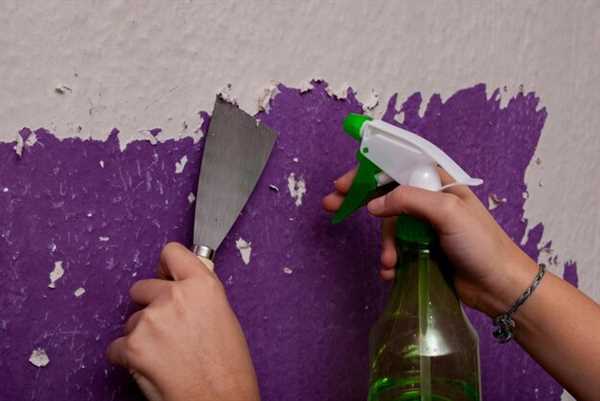
To mitigate corrosion, clean the area around the damage with soap and water, removing any dirt and debris. Dry thoroughly before proceeding to repair.
Apply a rust-inhibiting primer to the exposed metal after cleaning. This layer protects against moisture and helps adhere the topcoat better.
Select a color-matched automotive touch-up paint for seamless repairs. Apply the paint carefully with a fine brush or applicator, filling in the damaged areas precisely.
After the initial coat has dried, inspect for any uneven surfaces. Sand lightly with fine-grit sandpaper if necessary, then apply additional coats until the repaired areas blend seamlessly.
Finish with a clear coat to provide a protective barrier against UV damage and environmental factors. Allow ample drying time as specified by the manufacturer.
Regularly inspect repaired sections to catch any signs of wear early and reapply protective coatings as needed. Maintenance extends the life of the finish.
When to Seek Professional Help for Serious Paint Issues
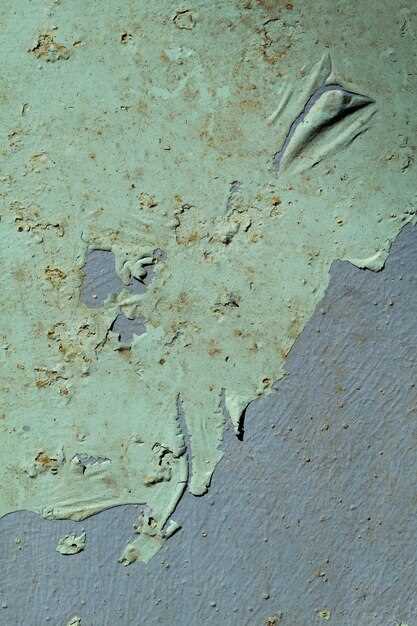
If damage is extensive, involving large areas or multiple sections, consult an expert. This is particularly true for significant gouges or extensive blemishes that compromise the surface integrity.
In cases where the underlying material is visible or rust appears, immediate assistance is necessary. Ignoring these issues can lead to further deterioration and costly repairs.
For specialized finishes or unique colors, consider professional services to ensure a flawless match and application. DIY solutions may not yield the desired results and can exacerbate existing problems.
When the damage affects functional components, such as seals or gaskets, seek expert repair to avoid operational issues. Attempting to fix these concerns without proper knowledge may lead to complications.
Lastly, if attempting to repair yourself has resulted in further damage or unsatisfactory results, it’s time to call in a skilled technician. Their expertise can restore the integrity and appearance of the surface effectively.