
 By Samuel Ennis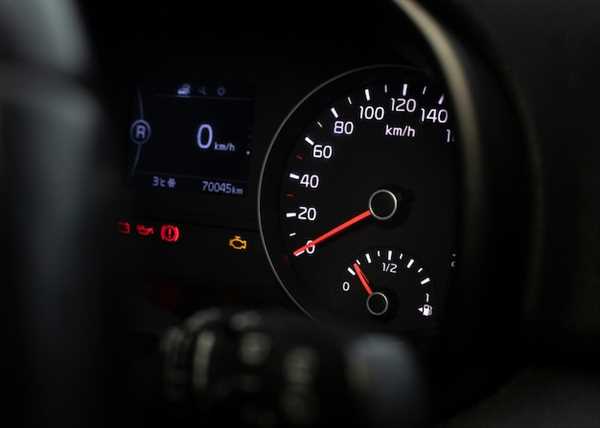
Pay attention to your vehicle’s notification regarding malfunction. Ignoring this signal may lead to escalating issues that could affect performance and safety. Conduct a thorough inspection as soon as possible.
Several factors can activate this warning. Faulty oxygen sensors often disrupt fuel mixture calculations, causing higher emissions and decreased fuel efficiency. Additionally, issues with the catalytic converter can lead to reduced engine performance and increased pollution. Ensure these components are regularly checked to maintain optimal operation.
Your vehicle can also experience problems due to malfunctioning ignition coils. This can result in misfires and poor acceleration. Furthermore, a damaged mass airflow sensor can upset the vehicle’s air-fuel ratio, leading to stalling or a decrease in power. Regular maintenance checks are essential for identifying these possible faults before they escalate.
Finally, electrical system irregularities can trigger a warning. Inspect fuses and wiring to ensure all connections are intact. Ignoring a signal for too long may result in further damage and costly repairs. Address these indicators promptly to maintain your vehicle’s performance and reliability.
Common Sensor Issues Triggering Check Engine Light
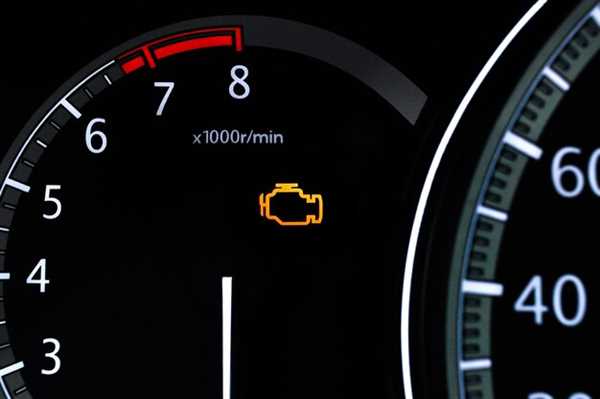
A malfunctioning oxygen sensor can significantly impact fuel efficiency and emissions. If this sensor is faulty, it might send incorrect data to the vehicle’s control unit, prompting a diagnostic warning.
The mass airflow sensor is another frequent culprit. This component measures the amount of air entering the combustion chamber. A defective mass airflow sensor can lead to poor engine performance and increased fuel consumption, prompting an alert.
Issues with the throttle position sensor can also cause distress signals. This component tracks the position of the throttle and can malfunction, leading to unexpected acceleration problems or stalling.
Similarly, a failing coolant temperature sensor can trigger warnings, affecting engine operation and temperature regulation. It’s crucial to monitor this sensor to prevent overheating or underheating issues.
Lastly, a damaged catalytic converter may cause sensor-related notices as well. When the converter is compromised, it can restrict exhaust flow, leading to performance issues and triggering alerts in the system.
Impact of Fuel Quality on Engine Performance Alerts
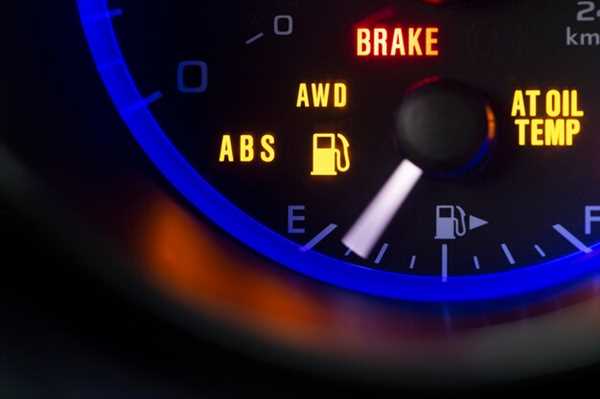
Opt for premium-grade fuel to minimize the risk of performance notifications. High-quality fuel reduces deposits in the combustion chamber, enhancing efficiency and responsiveness.
Low-grade or contaminated fuel can lead to poor combustion, resulting in misfires and reduced power. This can trigger diagnostic codes that prompt warnings on the dashboard. Regularly testing fuel quality ensures optimal operation.
Consider using fuel additives designed to clean injectors and improve octane levels. These products can help maintain engine integrity and prolong lifespan.
Monitoring fuel sources and avoiding stations with a high turn-around of low-grade fuel is advisable for consistent performance. Keeping the fuel system clean helps prevent deterioration and subsequent alerts.
In summary, prioritizing fuel quality directly influences overall vehicle performance and longevity, while minimizing unnecessary warnings related to engine behavior.
How Emission System Failures Cause Warning Lights
Address malfunctioning components in the emissions framework immediately to prevent dashboard notifications. A faulty catalytic converter often leads to poor exhaust processing, triggering alerts. Regularly inspect and replace oxygen sensors, which monitor air-fuel mixtures; failure to do so can prompt system warnings. Keep an eye on the exhaust gas recirculation (EGR) valve; blockage or wear may cause excessive emissions and generate alerts.
Another area to monitor is the evaporative emissions control system. Leaks in fuel tanks or hoses can cause pressure imbalances, activating alerts. Ensure your fuel cap is tightened and in good condition to mitigate unnecessary notifications. If problems persist, consider performing a diagnostic scan to pinpoint specific issues within the system.
Regular maintenance not only keeps the emissions system functioning optimally but also prevents unexpected alerts. Staying proactive can save time and resources while ensuring compliance with environmental standards.