
 By Samuel Ennis
To maximize the lifespan of your ev battery, aim to charge it between 20% and 80%. This range helps to minimize stress on the battery cells, reducing degradation over time. Frequent full charges and deep discharges are less favorable for battery health.
Consider using a slow charger for daily needs, reserving quick charging stations for longer journeys. Slow charging allows the battery to manage heat more effectively, thereby extending its usability. High temperatures can negatively influence battery performance, so keeping your ev in a cooler environment is also beneficial.
Regularly updating your vehicle’s software can optimize charging routines and battery management. Many manufacturers provide updates that enhance performance and efficiency. Staying informed about software improvements can contribute positively to the overall health of your electric automobile.
Optimal Charging Levels for Battery Health

To maximize battery life, maintain the charge level between 20% and 80%. Regularly allowing the battery to deplete below 20% can lead to increased wear, while charging above 80% may generate excess heat, harming the cells.
For daily use, aim for a target of around 70% to 80%. This range balances performance and longevity. For infrequent long trips, charging to 100% is acceptable but should not be the norm.
Utilize smart charging solutions that control the charging process based on your driving schedule. This reduces the time the battery spends at higher states of charge.
When storing the battery for extended periods, ensure it is at approximately 50% charge to minimize deterioration. Avoid prolonged low states to prevent irreversible damage.
Impact of Fast Charging on Battery Degradation
Fast charging can reduce the life of a battery significantly. To maintain optimal performance, limit the use of high-speed power sources. Consider charging at moderate rates whenever possible.
Frequent rapid recharging leads to higher temperatures, which accelerates chemical reactions within the battery. Monitor temperature during sessions and ensure it’s within safe limits.
Utilize slow charging as a primary method, particularly for daily usage, while reserving fast options for longer trips. This balance can enhance the lifespan of your power storage unit.
Aim to keep the battery charge level between 20% and 80%. This range minimizes stress, prolonging its lifespan while supporting efficient operation.
Be aware of charging frequency. Excessive fast sessions can lead to noticeable performance drops over time, making it advisable to plan charges strategically.
Best Practices for Daily and Long-Term Charging
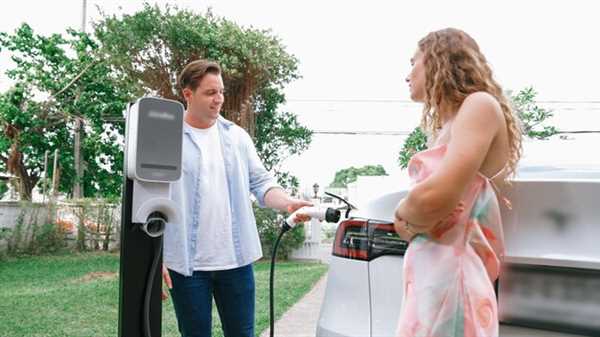
Charge your battery to around 80% for daily usage to extend its life. This helps avoid stress from full cycles while providing ample power for typical commutes.
During long trips, consider fully charging only when necessary. Keeping your battery between 20% and 80% greatly contributes to its health.
Utilize level 2 chargers at home whenever possible. They provide a balance between speed and battery care, ensuring less thermal strain compared to rapid charging.
Avoid keeping your battery plugged in at full charge for extended periods. When charging is complete, unplugging prevents degradation from prolonged exposure to high voltage.
In colder climates, precondition your battery while still connected to the power source. This practice enhances performance and efficiency without consuming the battery’s stored energy.
For long-term storage, maintain a charge level between 40% and 60%. This ensures optimal conditions, minimizing voltage fade and preserving overall health.
Regularly update the software of your system as manufacturers often include enhancements that can further support battery management.
Monitor charging frequency and duration. Limiting frequent use of ultra-fast chargers reduces heat exposure, thereby prolonging the lifespan of your battery.