
 By Samuel Ennis
Choosing between a fuel-efficient model that utilizes both an internal combustion engine and an electric motor, as opposed to a fully battery-powered option, demands careful consideration. Understanding the primary differences can simplify your decision-making process.
To start, the powertrain configuration stands out immediately. The former features a dual system that allows for the flexibility of gasoline and electric propulsion, which may appeal to those concerned about charging infrastructures. Conversely, the latter solely relies on electricity, eliminating the need for petrol altogether while offering the potential for lower operational costs.
Additionally, charging requirements vary significantly. Models relying on fuel typically require less downtime since refueling with gasoline is faster than recharging a battery. However, the battery-operated variant often promises longer-term savings due to reduced maintenance and fuel expenditures, leading to an environmentally friendly approach with zero tailpipe emissions.
Also, consider the performance aspect. While the electric-driven model delivers immediate torque for an engaging driving experience, the hybrid version may offer better range due to its combined energy sources. Your driving habits and daily requirements will heavily influence which option aligns better with your lifestyle.
Understanding the Powertrains: How Hybrid and Electric Vehicles Operate
Focus on the distinct configurations of the two vehicle types. One utilizes both an internal combustion engine and an electric motor, relying on gasoline or diesel in conjunction with a battery. This arrangement enables a seamless transition between fuel methods, enhancing efficiency in various driving conditions.
The alternative model relies solely on battery-powered motors, completely eliminating emissions from tailpipes. Charging is accomplished through home connections or public stations, providing a different approach to energy consumption and sustainability.
In terms of comparison, the dual system offers greater range versatility thanks to its gasoline engine, while the fully battery-powered model typically has lower running costs and a simpler driveline. Consumers should assess their driving habits and infrastructure availability to determine the most suitable choice.
Analyzing performance, the former tends to deliver better power during acceleration, while the latter excels in providing instant torque for responsive driving. Overall, understanding these operational techniques can inform a more educated decision regarding personal transportation needs.
Cost of Ownership: Comparing Maintenance, Fuel, and Insurance for Both Types

Opting for a fuel-efficient option can yield significant savings. Maintenance costs tend to be lower for plug-in variants due to fewer moving parts and reduced wear on components like brakes. Expect average maintenance expenses of around $300 to $500 annually for those vehicles, while traditional models may range from $500 to $700.
Fuel expenses also differ markedly. For instance, during the last year, prices for conventional fuel averaged around $3.50 per gallon, while electric users benefit from charging costs averaging about $0.13 per kWh. Considering the average consumption rates, the yearly fuel cost for a gas-powered option can reach up to $2,000, whereas the electric alternative might only require about $500 annually.
Insurance rates often fluctuate based on vehicle type. Although premium coverage might be higher for fully electric models–averaging $1,500 compared to $1,200 for traditional vehicles–this can vary based on local regulations and individual profiles. Research indicates that drivers of environmentally friendly models often access discounts or incentives for lower pollution emissions.
When assessing total cost of ownership, consider factoring in tax credits and government rebates that can apply to environmentally friendly options, often reducing the purchase price effectively by several thousand dollars. Additionally, long-term savings can be enhanced by lower operating costs and potential resale values, influenced by shifting consumer preferences towards greener choices.
Environmental Impact: Emissions, Resource Use, and Overall Sustainability
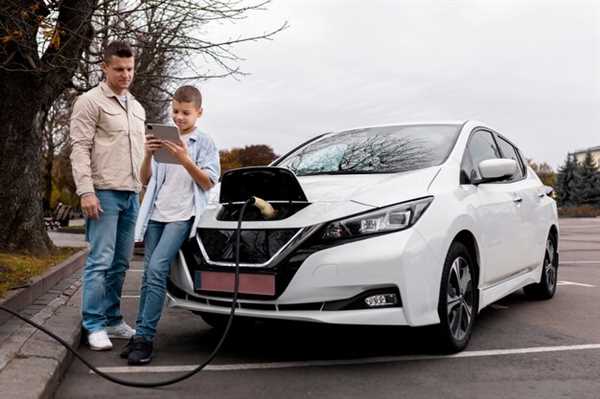
The choice between battery-powered vehicles and their gasoline-electric counterparts significantly influences environmental outcomes. Battery-operated models produce zero tailpipe emissions, thus drastically reducing air pollutants in urban settings. Conversely, those with combined fuel sources emit lower levels of carbon dioxide compared to traditional gasoline engines but still contribute to greenhouse gases.
Resource extraction for batteries, particularly lithium and cobalt, poses challenges. Mining these materials can lead to significant ecological damage and questionable labor practices. In contrast, gasoline-electric systems generally rely on conventional fuels, which may have a lower immediate impact regarding resource extraction but contribute ongoing reliance on fossil fuels.
Lifecycle assessments reveal that while battery-powered vehicles may have higher production emissions, their overall impact can be mitigated over time due to lower operational emissions. For those opting for mixed technology vehicles, the fuel economy tends to improve, leading to better emissions over the vehicle’s lifespan.
To minimize environmental footprints, opting for renewable energy sources for charging battery-operated models is advisable. Encouraging efforts toward recycling batteries can also mitigate challenges posed during resource extraction, enhancing long-term sustainability. Implementing stringent manufacturing standards will further elevate sustainability across both types of automotive technology.