
 By Samuel Ennis
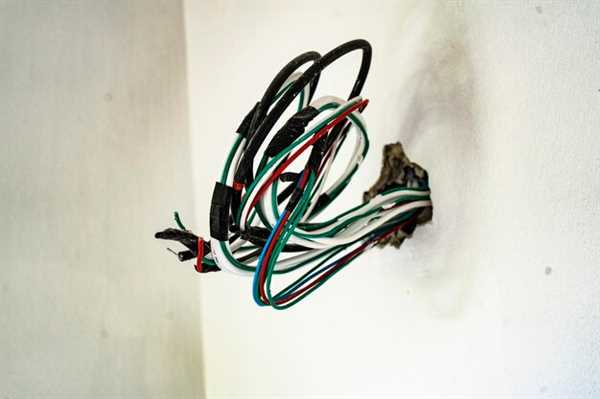
Regular inspection of the conductor network is paramount to maintaining safety and functionality. Look for signs such as fraying insulation, discoloration, or exposed copper, which may indicate serious concerns that could escalate to hazards.
When you notice flickering lights or frequent breaker trips, these could be symptoms of degraded connections. Assessing the circuit load can reveal if certain areas are overloaded, often linked to outdated installations struggling to meet contemporary demand.
Corrosion on terminals and connections can diminish conductivity. This deterioration leads to overheating, increasing the risk of fire. Prioritize replacing compromised sections of the conductor to prevent further damage and enhance reliability.
Monitoring for unusual odors, especially a burning smell, is crucial. This can signal overheating wires, requiring immediate attention to prevent catastrophic failures. Implementing routine maintenance checks ensures longevity and integrity of your electrical system.
Common Signs of Worn Car Wiring
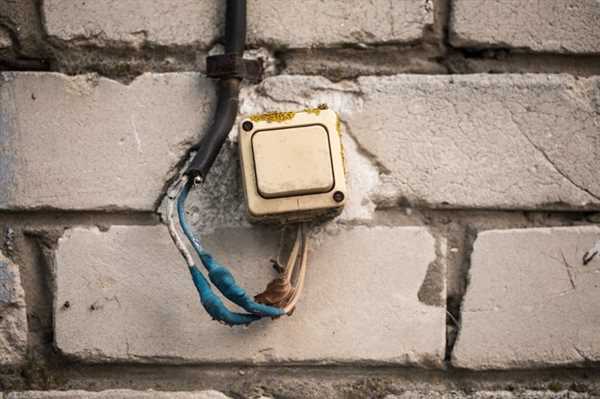
Check for exposed copper strands or fraying in the insulation; these indicate a potential malfunction. Inspect connectors and terminals for corrosion or discoloration, which can disrupt connections.
Monitor for flickering lights or dim dashboards; these symptoms often signal power supply interruptions. Unusual smells, such as burnt plastic or acrid fumes, may arise from overheating wires, necessitating immediate attention.
Listen for unusual sounds, such as popping or crackling, which can suggest poor connections. Frequent blown fuses or tripped circuits often stem from short circuits within the harness.
Pay attention to any warning lights on the dashboard; they may reveal systemic problems related to the vehicle’s power distribution. If you notice strange behavior in your car’s electrical components, it’s a strong indicator of wiring degradation.
Inspect the overall condition of the harness; disconnected or loose wires are clear signs of wear. Regular maintenance checks can help catch these signs early and prevent further complications.
Tools for Diagnosing Electrical Problems in Vehicles
A multimeter is indispensable for measuring voltage, current, and resistance in vehicle circuits. This tool assists in pinpointing faulty components and verifying continuity in conductors.
Using an oscilloscope can provide a visual representation of waveforms in electrical systems, making it easier to detect irregularities in signal patterns that indicate malfunctioning circuitry.
Wire strippers and crimpers are vital for accessing and reconnecting damaged components. Proper stripping and crimping ensure secure connections that prevent future failures.
Fuses should be regularly inspected; a blown fuse often signals problems within the circuit that need addressing before further damage occurs.
Diagnostic scanners can read error codes from the vehicle’s onboard computer, providing insight into specific trouble areas related to the electrical system.
- Multimeter
- Oscilloscope
- Wire strippers
- Crimpers
- Fuses
- Diagnostic scanners
Having these tools readily available greatly enhances the ability to troubleshoot problems effectively, ensuring reliability and safety in vehicle operation.
Repairing or Replacing Damaged Wiring: Best Practices
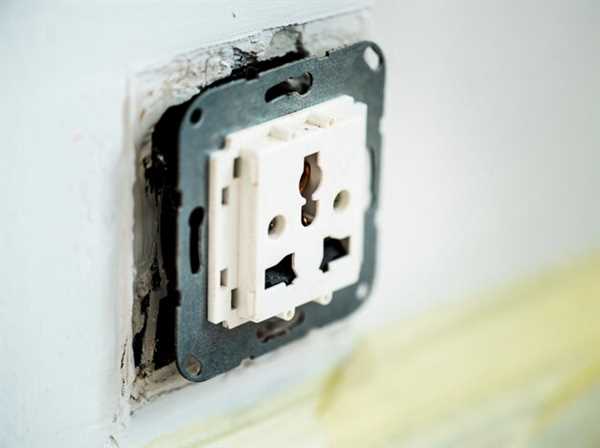
Firstly, turn off the power supply to the affected circuits to ensure safety during repair work. Use a multimeter to check for continuity and voltage. If the wiring is frayed or has exposed sections, it’s critical to replace it entirely rather than attempting a temporary fix. Use high-quality, automotive-grade wire that meets vehicle standards for durability and conductivity.
When replacing wiring, label each wire before removal to avoid confusion. This practice helps maintain proper connections and prevents miswiring, which can lead to further complications. Always use heat shrink tubing or electrical tape to insulate any new connections and protect them from moisture and vibrations.
In the case of connectors, inspect for corrosion or damage. Clean or replace connectors to ensure reliable electrical flow. Make sure to route new wiring away from potential snag points and heat sources, as this can prevent future damage and enhance longevity.
Regular maintenance checks on car wiring can help detect wear early. Look for signs like flickering lights or frequent blown fuses, as these can indicate potential problems. Keeping wiring harnesses secured and away from moving parts significantly reduces wear and enhances the reliability of your vehicle’s electrical system.